What Is Personal Care? How to Give Personal Care to the Elderly
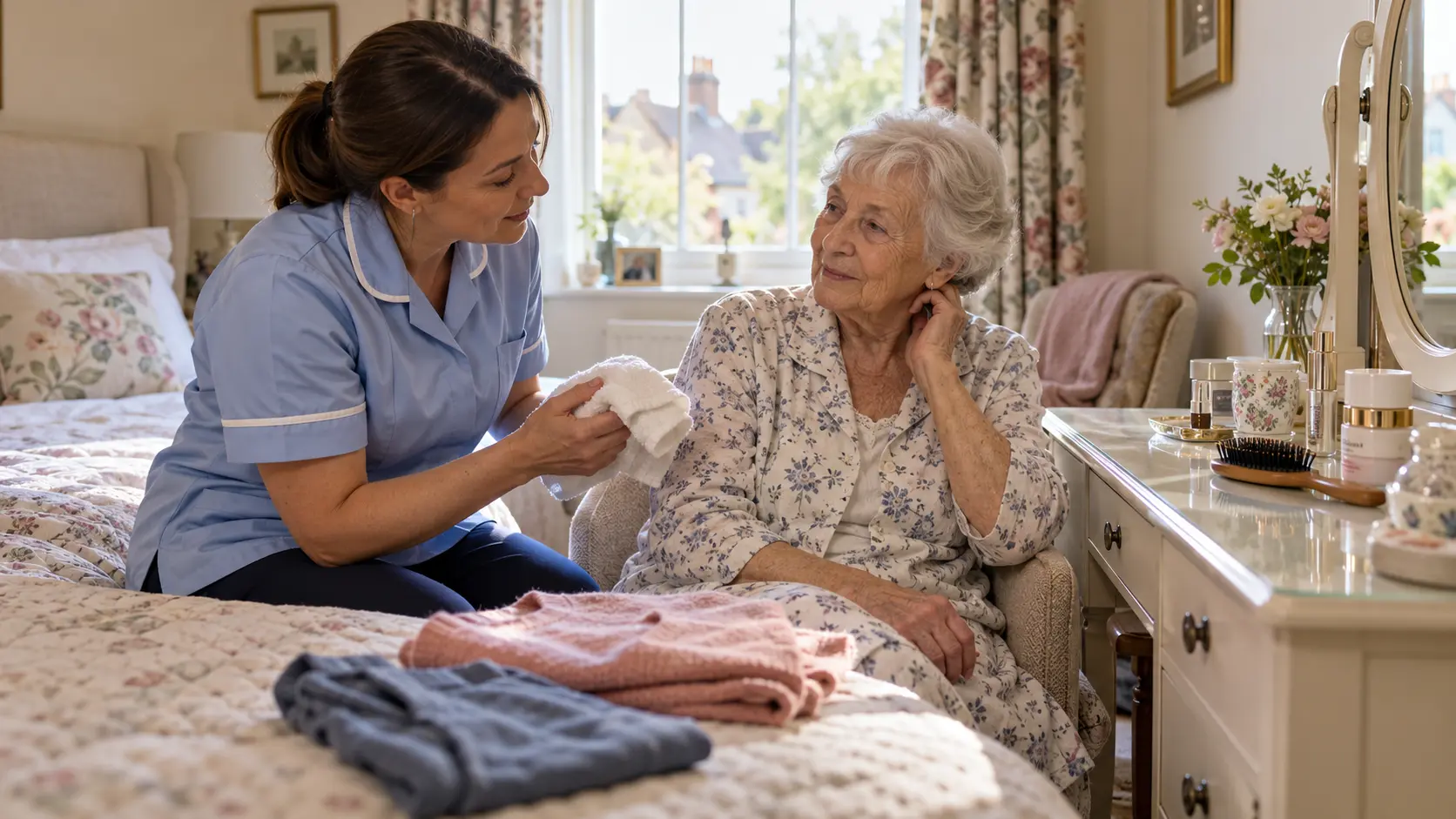
Your mum has always liked choosing her own clothes. Now the buttons are difficult, and she asks you to help. Or perhaps your dad has begun avoiding the shower because he is worried about slipping. These moments may seem small, but accepting help with private daily tasks can feel like a big change.
Personal care means helping someone with everyday activities such as washing, dressing, using the toilet and eating when they cannot manage comfortably or safely on their own. If you are wondering how to give personal care to the elderly, the aim is not to take over. It is to offer the right assistance while protecting the person's dignity, choices and independence.
This guide explains what personal care includes, how to help with common tasks and when to seek professional support.
What Is Personal Care?
Personal care is hands-on assistance with the activities people usually do to look after themselves. For an older person, it might mean help washing their hair, fastening clothing, getting to the toilet or managing a meal. Someone may need support with one task while remaining fully independent in others.
Personal care is different from domestic help, such as vacuuming, shopping or changing household bedding as a general chore. It is also different from nursing care, which involves clinical tasks carried out by a registered nurse, such as certain injections or the clinical management of complex wounds.
The boundaries are not always as simple as a list of jobs. For example, skin care, support with eating and some medication-related assistance may be included within an assessed personal care plan in Scotland. What a family member or care worker can safely do depends on the person's needs, the task involved, and any necessary training or professional direction.
Most importantly, personal care should be agreed with the person receiving it wherever possible. Being older does not mean losing the right to decide how, when or by whom help is provided.
What Does Personal Care Include for Elderly People?
The type of assistance varies. This list shows common examples of personal care at home.
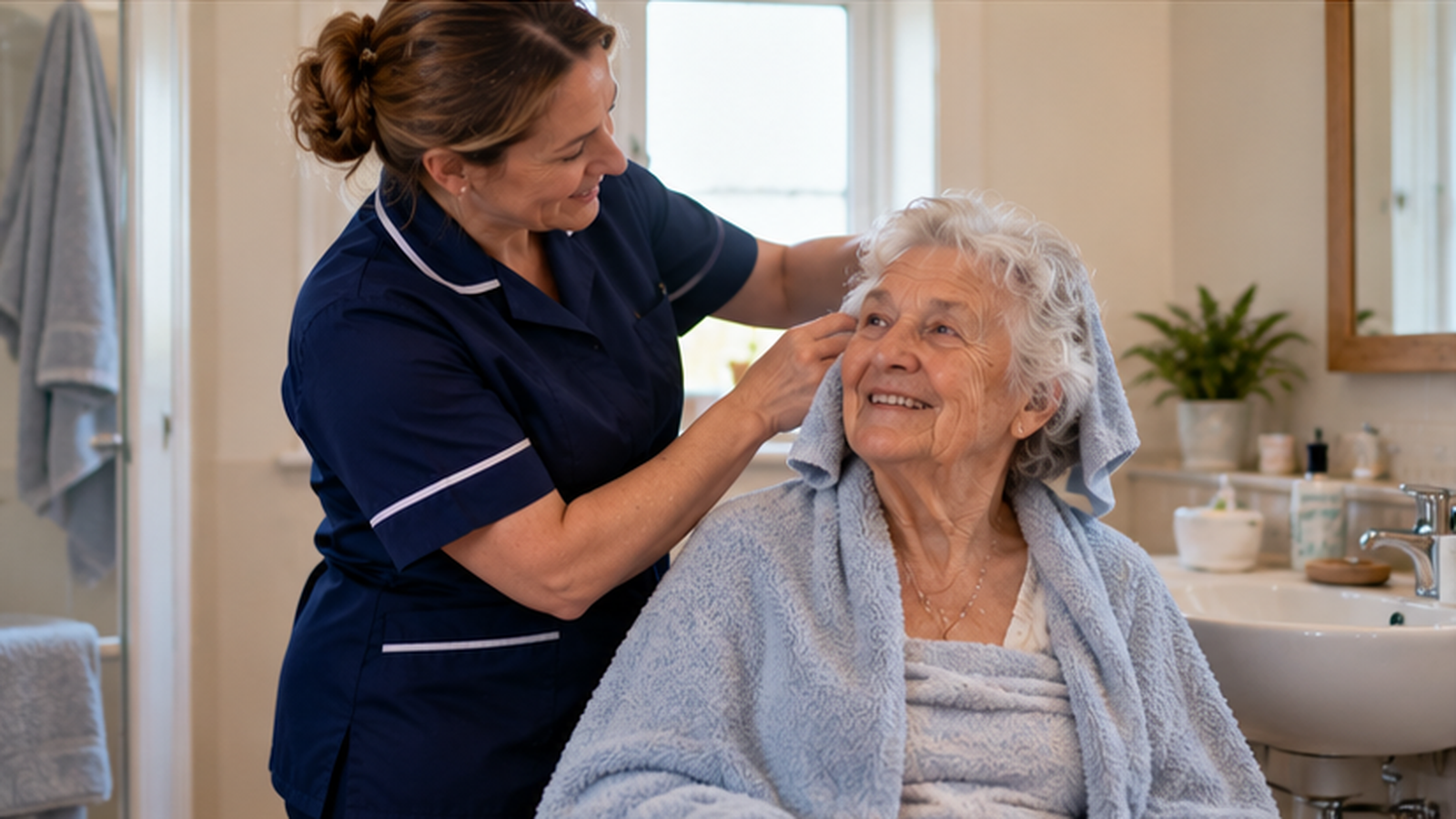
- Washing and bathing: Preparing toiletries, helping wash difficult-to-reach areas or supporting a safe washing routine
- Dressing and grooming: Helping with buttons, footwear, hair care or shaving
- Toileting and continence: Helping someone reach the toilet, change clothing or manage prescribed continence products
- Oral hygiene and skin care: Supporting toothbrushing or denture care, and noticing skin discomfort
- Eating and drinking: Preparing food so it is accessible and offering assistance at mealtimes when needed
- Mobility during personal tasks: Supporting safe access to the bathroom or bed in line with assessed needs and appropriate training
A person recovering from illness may need temporary assistance. Someone living with a long-term condition may need regular help. The level of care should change when their abilities or preferences change.
How to Give Personal Care to the Elderly
Begin by asking what the person would like help with. Explain what you are going to do, listen to their answer and allow time for them to complete the parts they can manage. The following guidance covers everyday support, not clinical procedures or lifting techniques that require training.
Helping With Washing and Bathing
Washing is private, so ask how the person prefers to do it. Some older adults would rather wash at the sink than have help in the shower. Others may prefer a familiar time of day or particular toiletries.
Have clean towels, clothes and washing products ready beforehand. Make sure the room feels comfortable, the water is not too hot and the floor is not slippery. Explain each action before helping, and keep areas of the body covered whenever practical. Give them the chance to wash themselves where they can.
If they feel unsteady or need help getting into a bath or shower, do not attempt a risky lift. Ask an occupational therapist or another appropriate professional about safer arrangements and equipment. The NHS guidance on helping someone keep clean offers further advice on comfort, privacy and bathroom safety.
Supporting Dressing and Grooming
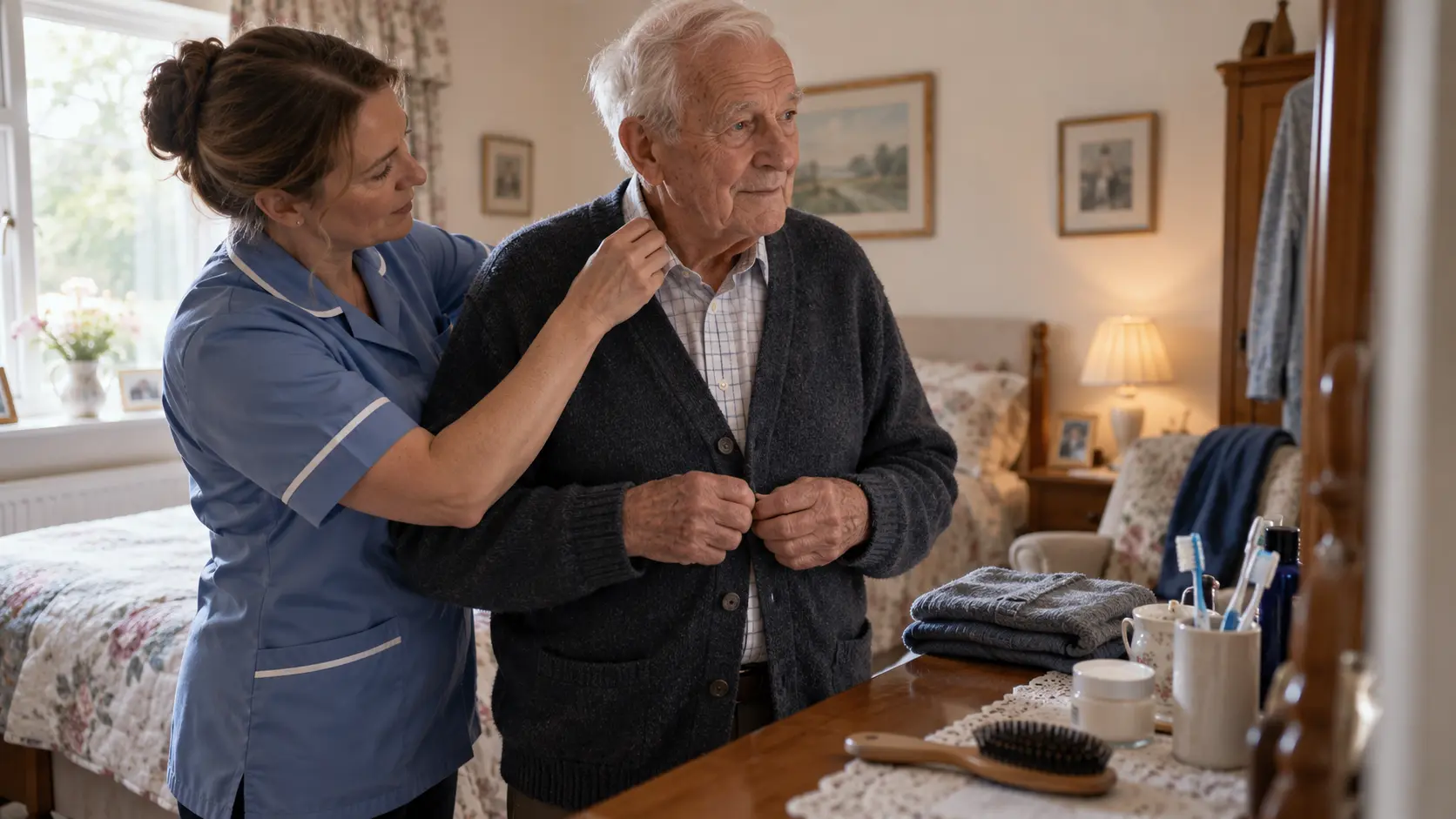
Let the person choose what to wear. Comfortable clothes, suitable footwear and easy-to-manage fastenings may make dressing less tiring, but preferences still matter. An older person who has always enjoyed wearing a particular outfit may not want it replaced simply because someone else finds it more convenient.
Lay out clothes within reach, allow enough time and offer help with the parts that are difficult. Sitting in a suitable, stable chair may be easier than balancing while dressing, but positioning and transfer needs should be assessed if mobility is limited.
Grooming can be an important part of feeling like oneself. Help with hair, shaving or other routines in a way that reflects the person's usual habits, not assumptions about what older people should look like.
Assisting With Toileting and Continence
Toileting assistance calls for particular sensitivity. Ask what help is wanted, maintain privacy and avoid expressing frustration about accidents. If someone can reach the toilet with a suitable aid or a clearer route through the home, they may be able to retain more independence.
Support with cleaning up and changing clothes may be needed. Good hand hygiene and appropriate protective measures are important whenever bodily fluids are involved. If continence products are used, follow advice about their suitability and use rather than choosing a product solely on the basis of convenience.
Frequent accidents, pain, new continence problems or irritated skin should be discussed with a GP or continence service. Catheter and stoma care may require individual assessment, instruction and specialist input. Do not improvise a procedure you have not been trained to perform.
Helping With Oral Hygiene and Skin Care
An older person may find toothbrushing, cleaning dentures or holding a toothbrush difficult. Ask what they can manage themselves and whether a different toothbrush or grip might help. Support their usual oral care routine and seek dental advice for pain, sores, bleeding or difficulty cleaning the mouth.
Skin can become sore when someone has difficulty washing, changing position or managing continence. Pay attention to new redness, broken skin, discomfort or areas that do not improve. Do not treat unexplained wounds or pressure damage with products chosen without advice. A nurse or GP can assess concerns and recommend appropriate care.
Supporting Eating and Drinking
Personal care can include practical assistance at mealtimes. This might mean helping someone sit comfortably, placing food and drinks within easy reach, cutting up food when appropriate or helping them eat if they cannot do so independently.
Ask about preferred meals, allow enough time and avoid rushing. A person who needs assistance should still be able to choose what and how much they wish to eat wherever possible. If there are concerns about poor appetite, unintentional weight loss or dehydration, seek healthcare advice.
Coughing, choking or difficulty swallowing needs prompt professional assessment. Do not alter food textures or thicken drinks without advice from an appropriate clinician. Some people also have medical conditions that affect their food or fluid requirements.
Providing Safe Mobility Assistance
Personal care often involves getting to the bathroom, moving from a bed to a chair or standing to dress. These movements may be unsafe if someone is weak, in pain or unsteady.
Keep the route clear and make sure commonly used items are accessible. Encourage the person to move in the way recommended for them, using prescribed or appropriately assessed aids. Do not pull someone up by their arms or attempt to lift them without suitable assessment and training. This can injure both the older person and the person helping.
If transfers have become difficult, ask a GP, occupational therapist or physiotherapist for a moving-and-handling assessment and advice on equipment.
How to Maintain Dignity and Independence During Personal Care
Good personal care is not measured by how quickly a task gets done. It is measured partly by whether the person feels respected throughout it.
Ask permission before touching or assisting someone. Close doors and curtains, offer appropriate covering, and avoid discussing intimate needs where others can hear. Let the person choose when practical tasks happen and who is involved. Do not speak over them to a relative simply because they need physical help.
Small choices have real value: which soap to use, whether to wash before breakfast, or which jumper to wear. Encourage what the person can still do, even if it takes longer. A care routine should fit the individual rather than require the individual to fit the routine.
What If an Elderly Person Refuses Personal Care?
A refusal does not necessarily mean someone is being difficult. They may feel embarrassed, have pain when moving, dislike the water temperature, fear falling or feel uncomfortable accepting intimate help from a family member.
Ask gently what is bothering them, and listen without arguing. Offer a different time, a simpler task or a choice of who helps. For example, someone who refuses a shower may be happier washing at the sink that day. If memory difficulties are involved, calm explanations and familiar routines may help.
Do not force personal care. If refusal creates a significant health or safety concern, seek guidance from a GP, relevant care professional or local social work service. Where a person's ability to make a particular decision is in question, an appropriate assessment and the relevant Scottish legal safeguards may be needed. Do not assume that a dementia diagnosis automatically removes someone's right to decide.
When Should Families Seek Professional Personal Care?
Family assistance can work well for many everyday tasks, but circumstances change. Consider asking for an assessment when:
- Washing, dressing or toileting has become unsafe or regularly causes distress.
- A person has repeated falls or needs lifting and transfers that family members cannot manage safely.
- New skin problems, continence concerns or difficulties eating require professional input.
- Care needs have increased after illness or a hospital stay.
- Family carers are struggling physically or emotionally to provide the level of help required.
A GP, occupational therapist or council care assessment can help identify suitable support. A professional care service may also provide greater consistency and a written plan for intimate daily tasks.
Where Zento's regulated care is available in Perth & Kinross, families can learn more about its personal care at home and home care support in Crieff. The specific service and location should be confirmed before arranging care.
Is Personal Care Free for Elderly People in Scotland?
In Scotland, people who are assessed by their local council as needing personal care at home can receive that personal care free of charge, regardless of age, income or savings. This is not restricted to people aged 65 and over.
A care needs assessment determines what support is required. Help with tasks outside the definition of personal care, such as general housework or shopping, may be chargeable, depending on the council's rules and any financial assessment. Arranging private care does not remove the value of asking the council for an assessment.
For the current eligibility explanation, see the Scottish Government's guidance on personal and nursing care costs, updated in June 2026. Funding arrangements elsewhere in the UK differ, so Scotland's rules should not be applied automatically to England, Wales or Northern Ireland.
How Zento Can Help
At Zento Group, we understand that help with personal care is about much more than completing everyday tasks. It is about feeling comfortable, respected and involved in decisions about your own life.
Our nurse-led team takes a person-centred approach, listening to each individual's needs, preferences and routines before discussing suitable support. If you are considering personal care for yourself or an older relative, we can explain the options available through our regulated care service in Perth & Kinross.
You can contact Zento Group for a free, no-obligation conversation about your circumstances.
Frequently Asked Questions
What Is the Difference Between Personal Care and Nursing Care?
Personal care helps someone with daily activities such as washing, dressing, toileting and eating. Nursing care involves clinical assessment or treatment carried out by a registered nurse. Some activities, including medication-related support or skin care, need an individual assessment to establish who can safely provide them. The distinction depends on the task and the person's needs, not just the job title of the person assisting.
Can Family Members Provide Personal Care to an Elderly Parent?
Yes. Family members often help with washing, dressing, grooming and other daily tasks when the older person agrees and it is safe to do so. They should not undertake lifting, complex procedures or other tasks beyond their skills without assessment and appropriate instruction. It is reasonable to arrange professional support for intimate care that either person finds uncomfortable.
How Often Should an Elderly Person Receive Help With Personal Hygiene?
There is no single schedule that suits everybody. The right routine depends on health, skin condition, continence, preferences and the amount of help needed. Daily attention to basic hygiene is important, but bathing arrangements should be comfortable and appropriate to the individual. If someone is unable to stay clean or develops persistent soreness, seek advice from a healthcare professional.
What Should I Do If My Parent Feels Uncomfortable Receiving Personal Care?
Ask what feels uncomfortable rather than assuming they are simply refusing help. They may prefer a different routine, more privacy or assistance from a professional rather than a family member. Offer choices, explain each step and give them time. If discomfort continues or essential care is being missed, a professional assessment can help find an approach that respects their wishes and addresses any risks.

Baalaj Khawaja, RGN is a Registered Nurse with experience in cardiothoracic surgery, intensive care, care home management, and dementia care. He is passionate about providing compassionate, person-centred care and shares practical knowledge to support older adults and individuals living with dementia.