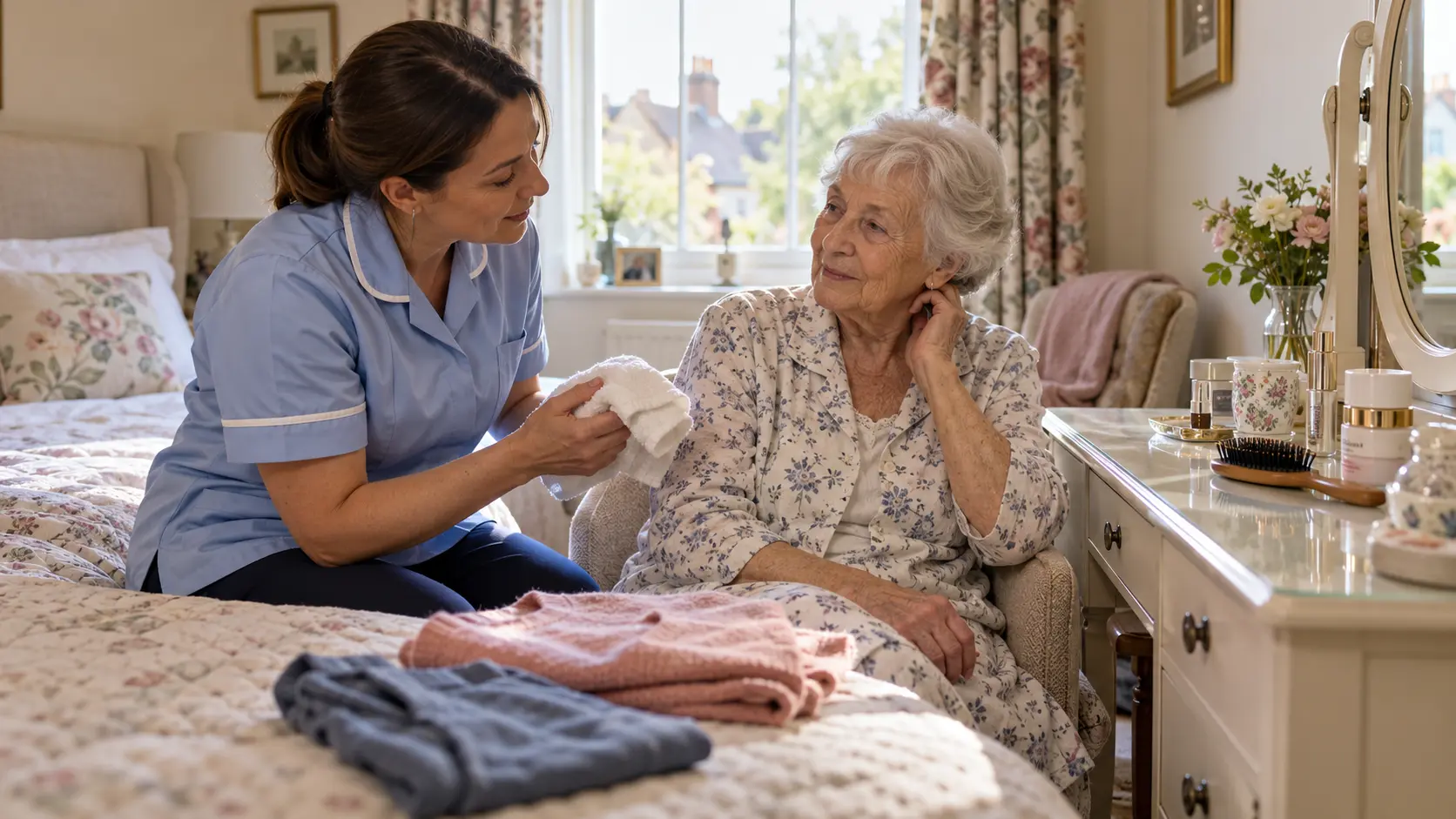
How to Take Care of Elderly at Home: A Practical Guide for Families

Perhaps your mum has stopped cooking the meals she used to enjoy, or your dad now hesitates before going upstairs. They may insist that everything is fine. You want to help, but you also know how much their home, privacy and independence mean to them.
Caring for an older person at home works best when you support what they need help with and protect what they can still do for themselves. That means understanding their changing needs, making everyday routines safer, helping with food and medicines where appropriate, and knowing when to ask a professional for advice.
The steps below will help you make a sensible care plan together, without turning every day into a list of tasks.
Understand What Your Loved One Needs Help With

Before changing their routine, have a conversation. Ask what feels harder than it used to, what they would welcome assistance with, and what they would prefer to manage independently. Listen carefully, even if your observations differ from their answers.
Think about five areas of daily life:
- Personal care: Can they wash, dress, use the toilet and care for their teeth comfortably?
- Mobility and safety: Are stairs, getting out of a chair or moving around the home becoming difficult?
- Meals and medicines: Are they eating regularly, drinking enough for their needs and managing prescriptions as directed?
- Household activities: Can they shop, prepare food, do laundry and attend appointments?
- Connection and wellbeing: Do they see people they enjoy spending time with, and are there noticeable changes in their mood or memory?
A change in one area does not necessarily mean someone needs care throughout the day. A little practical help may be enough. If several tasks are becoming difficult, ask their GP or local council about a needs assessment and appropriate professional input. Include the person receiving care in decisions wherever possible.
Make the Home Safer Without Making It Feel Clinical

A familiar home can contain hazards that become more significant when someone's balance, eyesight or mobility changes. Many improvements are simple and can be agreed together rather than imposed.
A room-by-room safety check is a useful place to begin:
- Hallways and stairs: Clear walkways, secure carpets, good lighting and suitable handrails
- Living room: Trailing cables, unstable furniture and a chair that is difficult to get out of
- Bathroom: Slippery floors, safe access to the toilet or shower and the possible need for grab rails
- Kitchen: Frequently used items within easy reach and safe use of appliances
- Bedroom: A clear route to the toilet, accessible lighting and a phone or alarm within reach
If someone has fallen, is becoming unsteady or needs help transferring between a bed and chair, seek advice from a GP, physiotherapist or occupational therapist. Do not attempt difficult lifting or transfers without training and appropriate equipment.
For more specific advice, use the NHS Inform home safety checklist. A safer home should still feel like their home, with familiar belongings and choices respected.
Help With Washing, Dressing and Other Personal Care
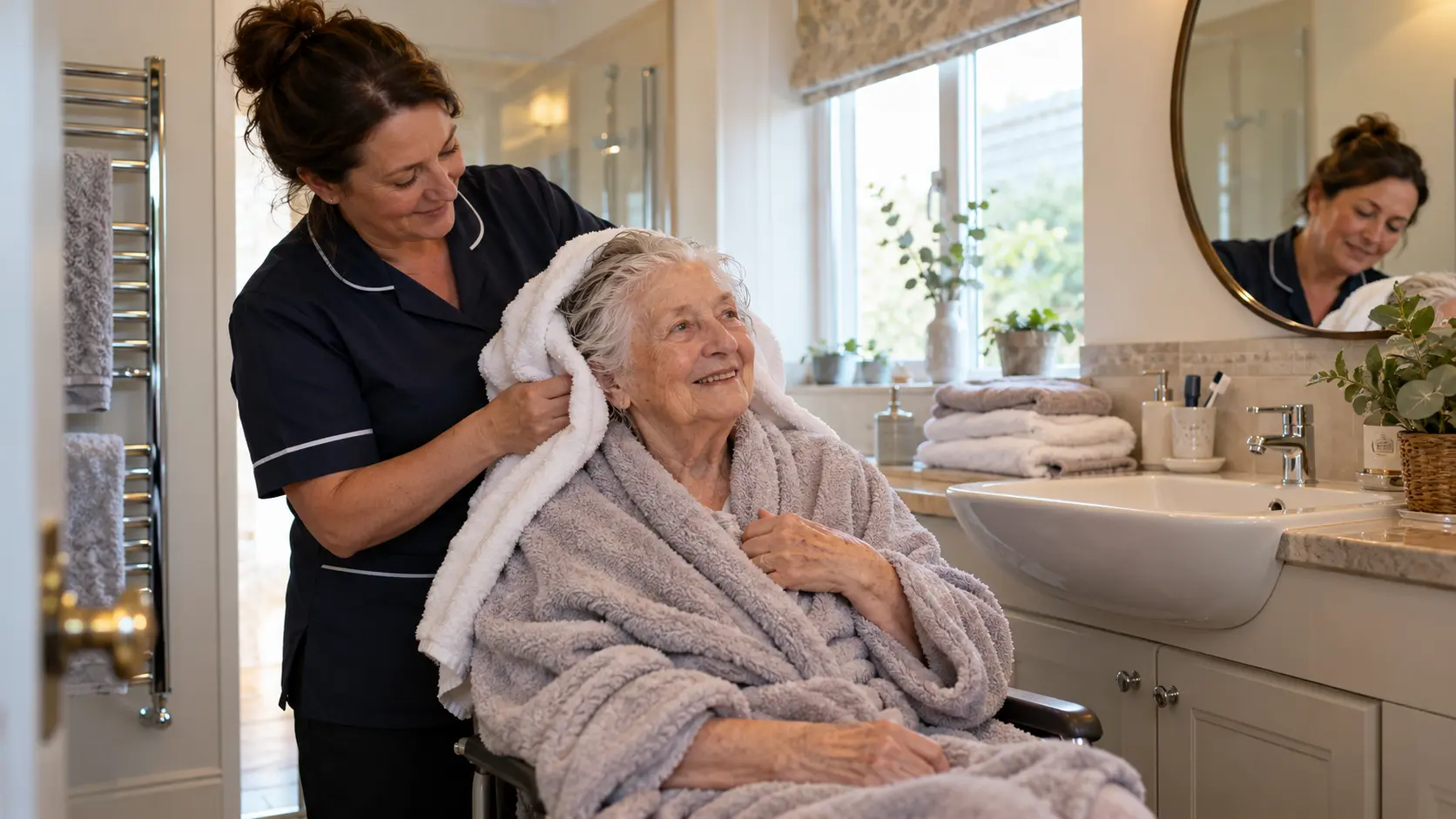
Needing help with personal hygiene can be upsetting for someone who has managed independently for decades. Ask permission before helping, explain what you are doing and offer choices about the time, products and clothing they prefer.
Small adjustments often preserve independence. Lay out clothes in an easy order, provide a stable place to sit while dressing, or make toiletries easier to reach. Give the person time to do the parts of the task they can manage safely. Privacy matters as much as the practical assistance.
If bathing, continence care or moving safely becomes difficult, a professional assessment may be appropriate. Families should not feel obliged to carry out tasks that involve unsafe lifting or care beyond their knowledge and ability.
For families within Zento's regulated operating area, its personal care support in Perth & Kinross may be relevant to help with washing, dressing and daily routines. Availability depends on the person's needs and the service that can be provided locally.
Support Regular Meals and Hydration

Food can become more difficult for reasons that are easy to miss: shopping is tiring, standing to cook hurts, a person lives alone, or their appetite has changed. Rather than assuming they are simply less hungry, ask what is getting in the way.
Useful ways to help include preparing familiar meals together, keeping easy-to-reach ingredients available and offering drinks regularly in line with their health needs. Eating with someone can make mealtimes more enjoyable. Pay attention to whether food is being left untouched or clothes have become noticeably looser.
There is no single meal plan or fluid target that suits everyone. Some people have medical conditions that affect what they should eat or drink. Unexpected weight loss, persistent poor appetite or dehydration concerns deserve advice from a healthcare professional. Coughing or choking during meals should also be assessed, as swallowing difficulties may require specialist support. Do not change food textures or thicken drinks without appropriate guidance.
Keep Medicines Safe and Organised
Medicines may be taken at different times, with or without food, and under particular instructions. If someone is becoming forgetful, a clearer routine can help, but it should be agreed with them and a pharmacist or prescriber.
Keep an up-to-date medicines list, including doses and the instructions supplied by the pharmacy. Check repeat prescriptions before they run out. If a reminder system or a dosette box might help, ask a pharmacist whether it is suitable for the medicines prescribed.
Never change a dose, crush tablets, open capsules or mix medicines into food without professional advice. If a dose is missed, check the medicine's instructions or ask a pharmacist rather than doubling the next dose. Medicines must not be hidden or forced on someone. Seek medical advice if side effects, confusion about doses or refusal of essential treatment become a concern.
Families can help with reminders and communication, but administering certain medicines or managing complex regimes may require a trained professional working to an appropriate care plan.
Encourage Movement and Everyday Independence
Staying active can support mobility, confidence and wellbeing, but the right level of movement depends on the individual. For one person, it might be a walk to the local shop. For another, it might be getting up regularly, moving around the house or following exercises recommended by a physiotherapist.
Ask what activities they enjoy rather than prescribing a routine they dislike. Gardening, gentle walks, preparing part of a meal or visiting a friend can give movement a purpose. If the person has recently fallen, has new symptoms or has a long-term condition affecting activity, seek advice on what is safe.
Independence is not measured by doing everything without assistance. Sometimes a suitable walking aid, a handrail or help with one difficult task allows someone to keep doing much more for themselves.

Make Time for Conversation and Social Connection

A care routine can cover meals and medication while missing something just as important: the pleasure of having someone to talk to. Ask about the people, interests and habits that give the person enjoyment. Some prefer lively company; others value quiet conversation or a familiar weekly visit.
Help them maintain contact with friends, relatives or community activities where they wish to. Offer support with transport or technology without assuming that every older person wants a video call or a group activity. If they become persistently withdrawn, unusually distressed or lose interest in things they normally enjoy, encourage a conversation with their GP. Changes in mood deserve attention, not dismissal as a normal part of ageing.
Build a Daily Routine That Fits the Person
Predictable routines can make everyday life easier, particularly when several family members share responsibilities. But the plan should reflect the person's own preferred waking times, meals and activities rather than forcing everyone into a rigid timetable.
- Morning: Check how they feel, offer assistance with washing or dressing, prepare breakfast and follow prescribed medicine instructions
- Midday: Arrange lunch, drinks, enjoyable activity or an appointment
- Afternoon: Spend time together, support gentle movement or help with shopping and household tasks
- Evening: Prepare dinner, check comfort and safety, and follow the person's preferred bedtime routine
This is an example, not a clinical care plan. Someone who needs overnight assistance, specialist equipment or frequent monitoring will require a different arrangement.
Keep essential information in one agreed place: contact details, prescription information, relevant allergies, appointments and who to call when something changes. Respect the person's privacy and obtain their permission before sharing their health information with others.
Know When Extra Help or Medical Advice Is Needed
A gradual change in daily life can suggest that more support would be useful. Signs might include missed meals, repeated difficulties with medicines, increasing trouble washing or dressing, frequent near-falls, or family carers struggling to provide the level of assistance needed.
These are reasons for a conversation and assessment, not automatic evidence that someone must move out of their home. A GP, local council or appropriate care professional can help identify the cause and what support is suitable.
Some changes should not wait for a routine appointment. Sudden confusion, a marked change in alertness, or new problems with eating or drinking may indicate an illness that needs prompt assessment. If you suspect a stroke, including sudden facial drooping, arm weakness or speech difficulty, or there are severe breathing difficulties or another life-threatening emergency, call 999. For an urgent problem that is not life-threatening in Scotland, contact the GP or NHS 24 on 111 when appropriate.
Look After Yourself as a Family Carer
Caring can affect your sleep, work and relationships, even when you are glad to help. It is reasonable to be clear about what you can manage, which tasks need another person and when you need a break.
Share responsibilities where possible. One relative might organise appointments while another manages shopping or visits. Write down the arrangements so that care does not depend on one person's memory. Agree what should happen if the usual family carer becomes unwell or cannot visit.
In Scotland, unpaid adult carers can request an Adult Carer Support Plan through their local council. This considers the effect caring has on their own wellbeing and what support may help. Asking for assistance is a practical part of planning sustainable care, not a sign that the family has failed.
Getting Care and Support at Home in Scotland
If your loved one needs more assistance than family and friends can provide, contact their local council's social work department to request a care needs assessment. A GP or district nurse may also help arrange one. It is worth requesting an assessment even if the family is considering paying privately.
In Scotland, personal care assessed as needed can be provided free of charge regardless of age, income or savings. This does not make every form of help at home free: tasks such as some household assistance may be chargeable, depending on the council's assessment and the support involved. Read the Scottish Government's guidance on personal care costs for the current position.
Families can also ask about Self-Directed Support, which gives eligible people options for how assessed support is arranged. The right arrangement may involve a mixture of family help, council-organised support and privately arranged services.
Zento's regulated care services are offered within the Perth & Kinross local authority area, subject to its registration conditions and the availability of the particular service. Families near Crieff can read about home care support in Crieff and nearby communities. In Edinburgh, Zento's confirmed offering is non-regulated companionship, not regulated personal or nursing care.
How Zento Can Help
At Zento Group, we know that good support at home is about more than completing daily tasks. It is about listening, respecting familiar routines and helping each person retain as much independence as possible.
Our nurse-led team can listen to your concerns, discuss changing care needs and explain what support may be appropriate. Whether you're considering a little extra help or a more structured care arrangement, we'll take time to understand what matters to your family and describe the services we can offer.
Contact Zento Group for a free, no-obligation conversation.
Frequently Asked Questions
What is the most important part of caring for an older person at home?
Understanding their individual needs and choices comes first. A helpful care arrangement considers safety, comfort, health and social wellbeing while leaving the person as much control over daily life as possible. Review the plan whenever their needs or preferences change.
How can I support an older parent who lives alone?
Agree a contact routine that suits them, check whether meals and prescriptions are manageable, and discuss home safety without making decisions for them. With their agreement, keep an emergency contact plan and find out whether practical visits or professional assessment would be helpful.
What if my parent refuses help at home?
Ask what concerns them. They may fear losing privacy, control or familiar routines. Offer specific choices, such as help with shopping rather than a broad care package, and allow time for discussion. Adults who have capacity to make the relevant decision are entitled to make choices others may disagree with. Seek professional advice if there are serious safety or decision-making concerns.
When should I arrange professional home care?
Consider professional support when daily activities are no longer being managed safely, personal care needs exceed what family members can provide, or the existing arrangement is becoming difficult to sustain. An assessment can help clarify the type and amount of support required. Needing help does not always mean needing full-time care.

Baalaj Khawaja, RGN is a Registered Nurse with experience in cardiothoracic surgery, intensive care, care home management, and dementia care. He is passionate about providing compassionate, person-centred care and shares practical knowledge to support older adults and individuals living with dementia.